Wonders of India • September 19, 2020
Thousand pillars temple - Gem of Kaktiya Archietecture
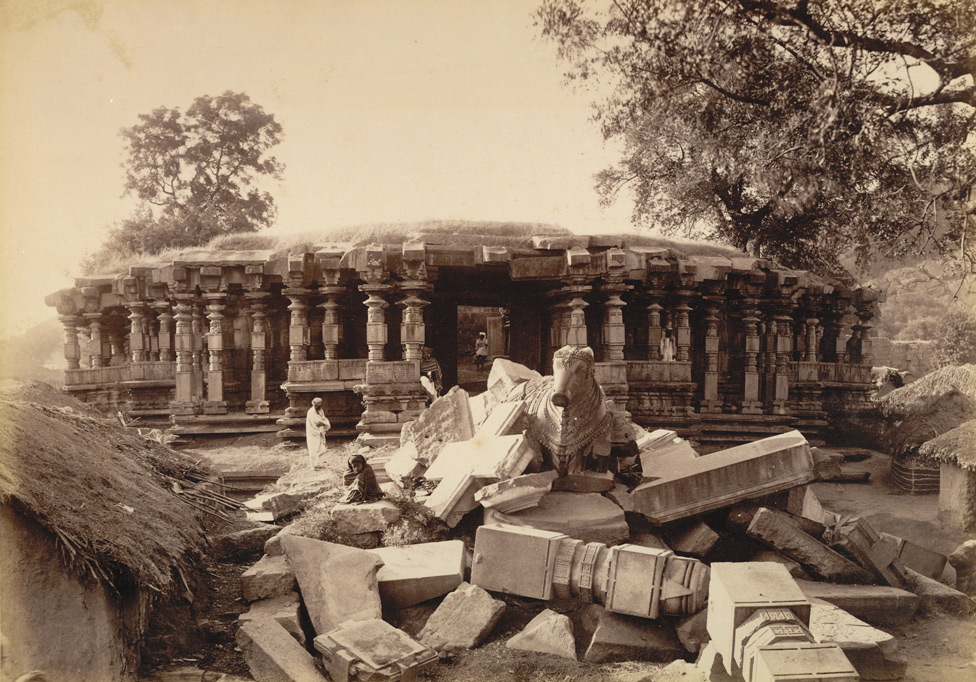
India is full of wonders. Many dynasties ruled in India and gave their contribution to the art and architecture of India. Hoysalas, Yadavas, Cholas, Chalukyas to name a few. Out of these dynasties, one remained quite neglected - The Kaktiyas.
Kaktiyas emerged during the 12th and 13th century. They were first looking after the small territory near Warangal in current Telangana. Kaktiyas were the feudatories of the Western Chalukyas of Kalyana . Prataparudra I established a Kaktiya dynasty in 1163 CE at Hanamkonda. The dynasty saw powerful leaders like Rudradeva, Ganapathi Deva and Rudramadevi.
Kaktiyas built Thousand pillars temple or Rudreshwara Swamy Temple near Warangal. It is an excellent example of the exquisite Kakatiya Architecture. Historians believe that Rudra Deva (1175-1324) ordered to construct the Thousand Pillars Temple to commemorate his proclamation of sovereign power.
The temple is now in two parts, one with the main Trikuta where the three shrines of the deities Rudresvara, Vasudeva and Suryadeva form the main structures and the other, opposite to the former, with dilapidated mandapas.
None of these shrines contains a vimana at present and it is also not known whether it is left unfinished or subjected to vandalism of the Muslim invaders. If it were the former case, there is a possibility that the original temple built by Rudradeva in A.D.1163, according to the inscription set up by him, must have undergone some modifications probably during the reign of Ganapatideva where the present polished structures replaced the old rough ones. Although the chances of vandalism are more since it was a common practice during the islamic invasion.
The elaborate decoration of the pillars and the doorways of the main shrines significantly suggest a later date when compared with the similar structures of the other wing. The ground plan and the positions of the constituent shrines are in order. It is a uniform structure with a square hall in The centre, with the three shrines projecting to the east, west and north and portico projecting to the south.
The mandapa on the south contains about three hundred pillars. The name Veyistambhala-Gudi indicates that the original structure had one thousand pillars but currently the temple has lost some of its parts in the main Trikuta -structure and in the mandapa. The pillars in the mukha mandapa , the doorways Panavatta of the Shiva Linga and the Nandi exhibit exquisite decoration and the highest degree of polishing.
"This temple is constructed by using a unique technique called sandbox technique for strengthening the foundation. In this technique, a deep pit is dug and filled with sand and covered with huge rock beams. On this rock platform, the huge columns were raised and then the main structuring was made. This invention of the technique of Kakatiya sculptors is immortal. The skill of Kakatiya sculptors is also evident in the skilful craftsmanship and flawless ivory carving technique in their art."
Original Source
This post is sourced from School of Indian History and can also be read on the source page.
Read the full article on School of Indian History